Table of Contents
1. Reliable Ocean Freight Solutions Between Vietnam and Denmark
Denmark is one of Northern Europe’s most efficient logistics hubs and an important gateway for cargo moving across Scandinavia and the European Union. With world-class port infrastructure, reliable feeder services and strong inland transportation networks, Denmark enables businesses to distribute goods quickly to major markets such as Sweden, Norway, Finland and Germany.
For Vietnamese exporters, ocean freight remains the most economical solution for transporting large volumes of cargo to Denmark. Whether shipping furniture, garments, machinery, seafood or industrial equipment, businesses benefit from competitive freight costs, stable sailing schedules and flexible container options.
At AlphaTrans, we provide end-to-end ocean freight services from Vietnam to Denmark, including Full Container Load (FCL), Less than Container Load (LCL), customs clearance, inland trucking and door-to-door delivery. Our logistics specialists work closely with leading shipping lines and overseas partners to recommend the most suitable routing based on cargo type, transit time and budget.
If you are planning to ship cargo from Vietnam to Denmark, this guide will help you understand transit times, shipping options, major ports and practical recommendations for choosing the right logistics solution.
Quick Facts
| Item | Details |
|---|---|
| Origin Ports | Ho Chi Minh City, Cai Mep, Hai Phong |
| Destination Ports | Aarhus, Copenhagen, Esbjerg |
| Transit Time | 30–38 Days |
| Sailing Frequency | Weekly |
| Shipping Methods | FCL & LCL |
| Door-to-Door Service | Available |
| Customs Clearance | Available |
| Reefer Containers | Available |
| Dangerous Cargo | Subject to Carrier Approval |
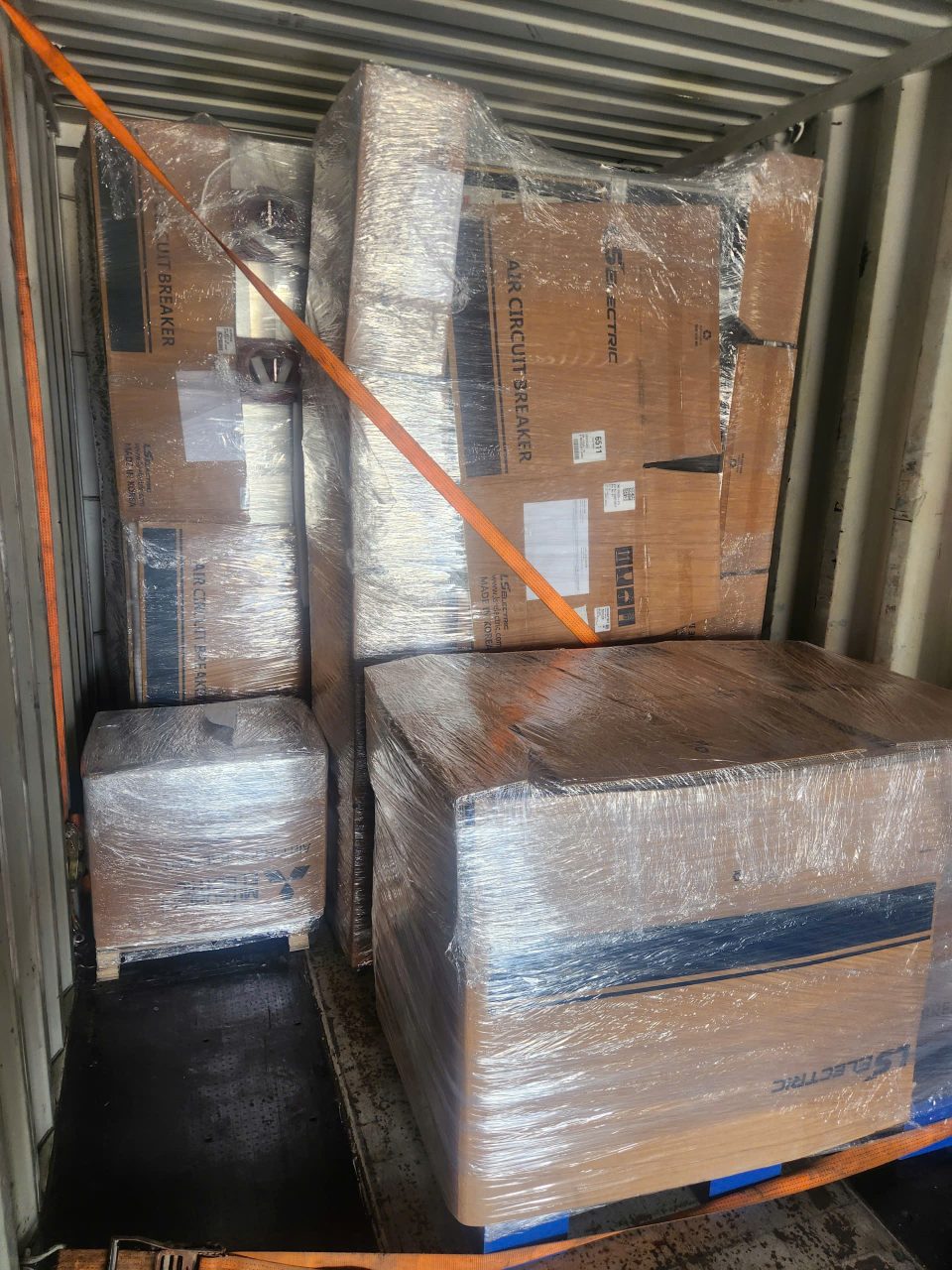
Loading export cargo into a shipping container in Vietnam
2. Why Ship Cargo to Denmark?
Although Denmark has a relatively small population compared to other European countries, it plays a vital role in international trade. Its strategic location between continental Europe and Scandinavia makes it a preferred entry point for importers and exporters serving Northern European markets.
The Port of Aarhus, Denmark’s largest container port, handles a significant share of the country’s international container traffic. Combined with efficient road and rail connections, cargo arriving in Denmark can be distributed quickly to neighboring countries, reducing overall lead times within the region.
Vietnamese companies frequently export a wide range of products to Denmark, including:
- Furniture and wooden products
- Garments and textiles
- Footwear
- Coffee, pepper and agricultural products
- Frozen seafood
- Electronics
- Machinery and industrial equipment
- Consumer goods
To support these exports, AlphaTrans offers comprehensive Ocean Freight Services together with Customs Clearance and Container Inland Transport, allowing customers to manage the entire shipping process through a single logistics provider.
3. Vietnam to Denmark Transit Time
Ocean freight transit times between Vietnam and Denmark vary depending on several operational factors, including the departure port, shipping line, transshipment hub and final destination.
Unlike shipments destined for major European ports such as Hamburg or Rotterdam, cargo bound for Denmark is commonly transferred through a Northern European hub before being loaded onto a feeder vessel serving Danish ports. While this additional connection may slightly extend the transit time, it also provides more flexible sailing options throughout the year.
The following table shows the typical transit times for common shipping routes.
| Route | Estimated Transit Time | Sailing Frequency |
|---|---|---|
| Ho Chi Minh City → Aarhus | 30–35 Days | Weekly |
| Ho Chi Minh City → Copenhagen | 31–37 Days | Weekly |
| Cai Mep → Aarhus | 29–34 Days | Weekly |
| Hai Phong → Aarhus | 33–39 Days | Weekly |
| Denmark → Ho Chi Minh City | 32–39 Days | Weekly |
Note: Transit times are estimates and may vary depending on vessel schedules, weather conditions, transshipment operations and seasonal port congestion.
4. FCL vs LCL Shipping
Choosing between Full Container Load (FCL) and Less than Container Load (LCL) depends primarily on cargo volume, shipment urgency and transportation costs.
4.1 Full Container Load (FCL)
FCL shipping is recommended for businesses moving larger cargo volumes or requiring the exclusive use of a container. Since the container remains sealed throughout most of the journey, cargo handling is minimized, resulting in better protection and more predictable transit times.
FCL is commonly used for:
- Furniture
- Machinery
- Electronics
- Building materials
- Agricultural exports
- Large retail shipments
AlphaTrans offers a complete range of container equipment, including 20GP, 40GP, 40HC, Reefer, Open Top and Flat Rack containers to meet different cargo requirements.
4.2 Less than Container Load (LCL)
LCL shipping allows multiple exporters to share the same container, making it an economical solution for smaller shipments.
Businesses typically choose LCL when shipping:
- Sample products
- Spare parts
- Small commercial orders
- Trial exports
- E-commerce inventory
Because customers only pay for the space occupied by their cargo, LCL is often the most cost-effective choice for shipments below approximately 15 CBM.
5. Which Shipping Option Is Right for You?
If your cargo volume is less than 15 CBM, LCL usually provides the lowest transportation cost without requiring you to pay for unused container space.
For shipments approaching or exceeding 15 CBM, FCL often becomes the more economical option. In addition to lower costs per cubic meter, FCL offers reduced cargo handling, improved security and shorter terminal processing times.
If you are unsure which option is more suitable, our logistics specialists can compare both solutions and recommend the most efficient shipping plan based on your shipment requirements.
6. Shipping Tips from AlphaTrans
Selecting the lowest ocean freight rate does not always result in the lowest total logistics cost. Carrier schedules, transshipment connections, customs procedures and inland transportation all affect delivery performance.
To improve shipment reliability, we recommend:
- Booking container space at least two to three weeks in advance during the peak shipping season from August to October.
- Comparing both FCL and LCL rates when cargo volume is close to the break-even point.
- Preparing customs documentation before cargo arrives at the port to avoid unnecessary storage and demurrage charges.
- Choosing the destination port based on the consignee’s final delivery location rather than simply selecting the nearest seaport.
At AlphaTrans, every shipment is evaluated individually to identify the most efficient routing, helping customers reduce delays while optimizing overall transportation costs.
7. Major Shipping Lines Serving Denmark
Ocean freight services between Vietnam and Denmark are primarily operated by global container shipping lines through major European transshipment hubs. While there are currently no regular direct container services from Vietnam to Denmark, frequent weekly departures provide reliable connections to Danish ports via Hamburg, Bremerhaven, Rotterdam or Antwerp.
Selecting the right carrier can significantly impact transit time, schedule reliability and transportation costs.
Some of the major shipping lines serving the Vietnam–Denmark trade include:
- MSC (Mediterranean Shipping Company)
- Maersk
- CMA CGM
- COSCO Shipping
- ONE (Ocean Network Express)
- Hapag-Lloyd
- Evergreen Line
- Yang Ming
Each carrier offers different sailing schedules, transit times and equipment availability. Depending on your cargo type and delivery deadline, AlphaTrans will recommend the most suitable shipping line rather than simply selecting the lowest freight rate.
For temperature-controlled cargo, oversized machinery or hazardous goods, carrier selection becomes even more critical due to equipment availability and operational requirements.
8. Major Ports in Denmark
Choosing the appropriate destination port is an important part of logistics planning. The most suitable port is not always the one closest to the consignee—it should also provide efficient inland transportation and reliable feeder connections.
8.1 Port of Aarhus
The Port of Aarhus is Denmark’s largest container port and handles the majority of international container traffic entering the country.
It is the preferred destination for many importers because it offers:
- Modern container terminals
- High vessel frequency
- Excellent road and rail connections
- Efficient distribution throughout Denmark
For most commercial cargo shipped from Vietnam, Aarhus is usually the recommended arrival port.
8.2 Port of Copenhagen
Located in the Danish capital, the Port of Copenhagen supports retail distribution, consumer goods and regional imports.
Many containers arriving in Copenhagen are transferred through larger Northern European hub ports before reaching Denmark.
Businesses delivering cargo directly to the Greater Copenhagen area often choose this port to reduce inland transportation costs.
8.3 Other Commercial Ports
Depending on cargo type and final destination, shipments may also arrive through:
Esbjerg
A key logistics hub for Ro-Ro cargo, offshore energy projects and heavy industrial equipment.
Aalborg
Primarily serving manufacturing industries and industrial cargo in northern Denmark.
Fredericia
An important regional logistics center supporting domestic distribution and warehousing operations.
Our operations team evaluates both shipping schedules and inland delivery requirements before recommending the most suitable destination port.
9. Ocean Freight Shipping Process
International shipping involves much more than reserving container space. Proper planning, documentation and coordination are essential to ensure cargo moves efficiently from Vietnam to Denmark.
At AlphaTrans, every shipment is managed through a streamlined logistics process designed to minimize delays and improve supply chain visibility.
Step 1 – Freight Consultation
Our logistics specialists review your shipment information, including:
- Origin
- Destination
- Commodity
- Cargo volume
- Cargo ready date
- Incoterms
Based on these details, we recommend the most suitable FCL or LCL solution.
Step 2 – Booking & Documentation
After confirming the quotation, we arrange:
- Carrier booking
- Shipping Instructions
- Bill of Lading preparation
- Export documentation
- Customs declaration
- Container release
Customers using our Ocean Freight Services, Customs Clearance and Container Inland Transport benefit from a single point of contact throughout the shipping process.
Step 3 – Ocean Transportation
Once the vessel departs, customers receive shipment updates throughout the journey, including:
- Vessel departure
- Transshipment status
- Arrival at European hub ports
- Feeder vessel connection
- Estimated Time of Arrival (ETA)
This visibility enables importers to prepare customs procedures and warehouse operations before cargo reaches Denmark.
Step 4 – Arrival & Final Delivery
Upon arrival, AlphaTrans can arrange:
- Port-to-Port delivery
- Port-to-Door delivery
- Door-to-Port delivery
- Door-to-Door logistics solutions
Through our trusted overseas partner network, cargo can be delivered directly to factories, warehouses or distribution centers across Denmark.
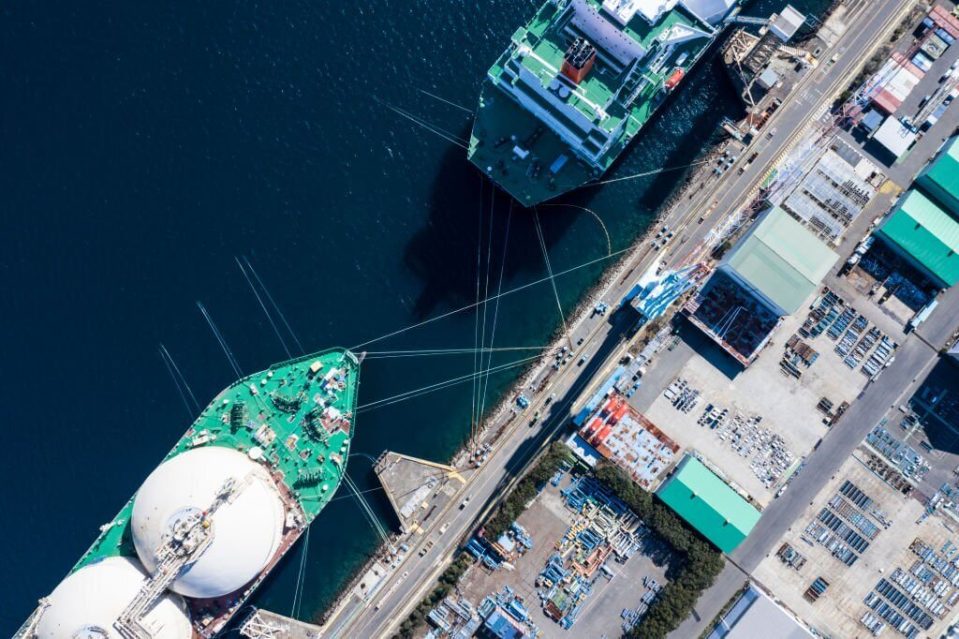
Door-to-door cargo delivery service in Denmark
10. Frequently Asked Questions
Q1: How long does ocean freight from Vietnam to Denmark take?
The average transit time ranges from 30 to 38 days, depending on the departure port, shipping line, transshipment hub and final destination within Denmark.
Q2: Which port in Denmark is the best choice?
For most container shipments, Aarhus is the preferred destination due to its modern container terminals, frequent feeder services and excellent inland transportation network.
If your cargo is destined for the Copenhagen metropolitan area, shipping directly to Copenhagen may reduce final delivery costs.
Q3: Should I choose FCL or LCL?
LCL is generally recommended for shipments below 15 CBM, while FCL becomes more cost-effective for larger cargo volumes.
If your shipment is close to the break-even point, AlphaTrans can compare both options and recommend the most economical solution.
Q4: Does AlphaTrans provide customs clearance?
Yes.
Our experienced logistics team supports both import and export customs procedures, helping customers prepare documentation correctly and minimize customs delays.
Q5: Can AlphaTrans arrange door-to-door delivery?
Yes.
In addition to ocean freight, we provide complete logistics solutions including cargo collection, customs clearance, inland transportation and final delivery throughout Denmark.
Q6: What types of cargo can be shipped?
We regularly handle a wide range of cargo, including:
- Furniture
- Garments and textiles
- Coffee and agricultural products
- Frozen seafood
- Industrial machinery
- Electronics
- Consumer goods
- Building materials
- Project cargo (subject to cargo specifications)
11. Why Choose AlphaTrans?
Choosing a freight forwarder is about more than comparing freight rates. A reliable logistics partner helps businesses reduce transportation risks, improve schedule reliability and optimize overall supply chain performance.
AlphaTrans provides integrated logistics solutions designed to simplify international shipping between Vietnam and Denmark.
Our advantages include:
- Weekly FCL and LCL sailings.
- Competitive freight rates from major Vietnamese ports.
- Professional Customs Clearance support.
- Nationwide Container Inland Transport services.
- Partnerships with leading international shipping lines.
- Real-time shipment tracking and proactive status updates.
- Dedicated logistics specialists with practical experience in European trade lanes.
Rather than offering a one-size-fits-all solution, we evaluate each shipment individually and recommend the most efficient routing based on cargo characteristics, transit requirements and total logistics costs.
Whether you are shipping a single pallet, several containers or long-term export volumes, AlphaTrans is committed to providing reliable, transparent and cost-effective ocean freight solutions.
12. Contact AlphaTrans