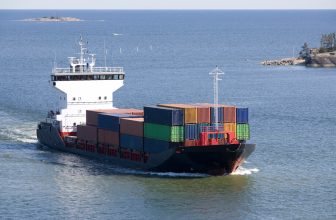
Thailand is Vietnam’s largest ASEAN trading partner after Singapore, and the Eastern Seaboard — the industrial belt running from Laem Chabang through Chonburi and Rayong — is where a large share of that cargo starts or ends. Automotive parts, electronics and petrochemical inputs move through this corridor in volume, and most of it never touches Bangkok itself.
That last point causes more routing confusion than any other on this lane. Thailand has two container gateways, not one, and they are not interchangeable the way “Bangkok” as a destination might suggest. Choosing wrong adds days you didn’t budget for.
AlphaTrans runs both gateways with in-house customs clearance at every major Vietnamese port and our own trucking fleet for the domestic leg. This guide covers the schedule, the port decision, and how ATIGA preferential duty works on this lane.
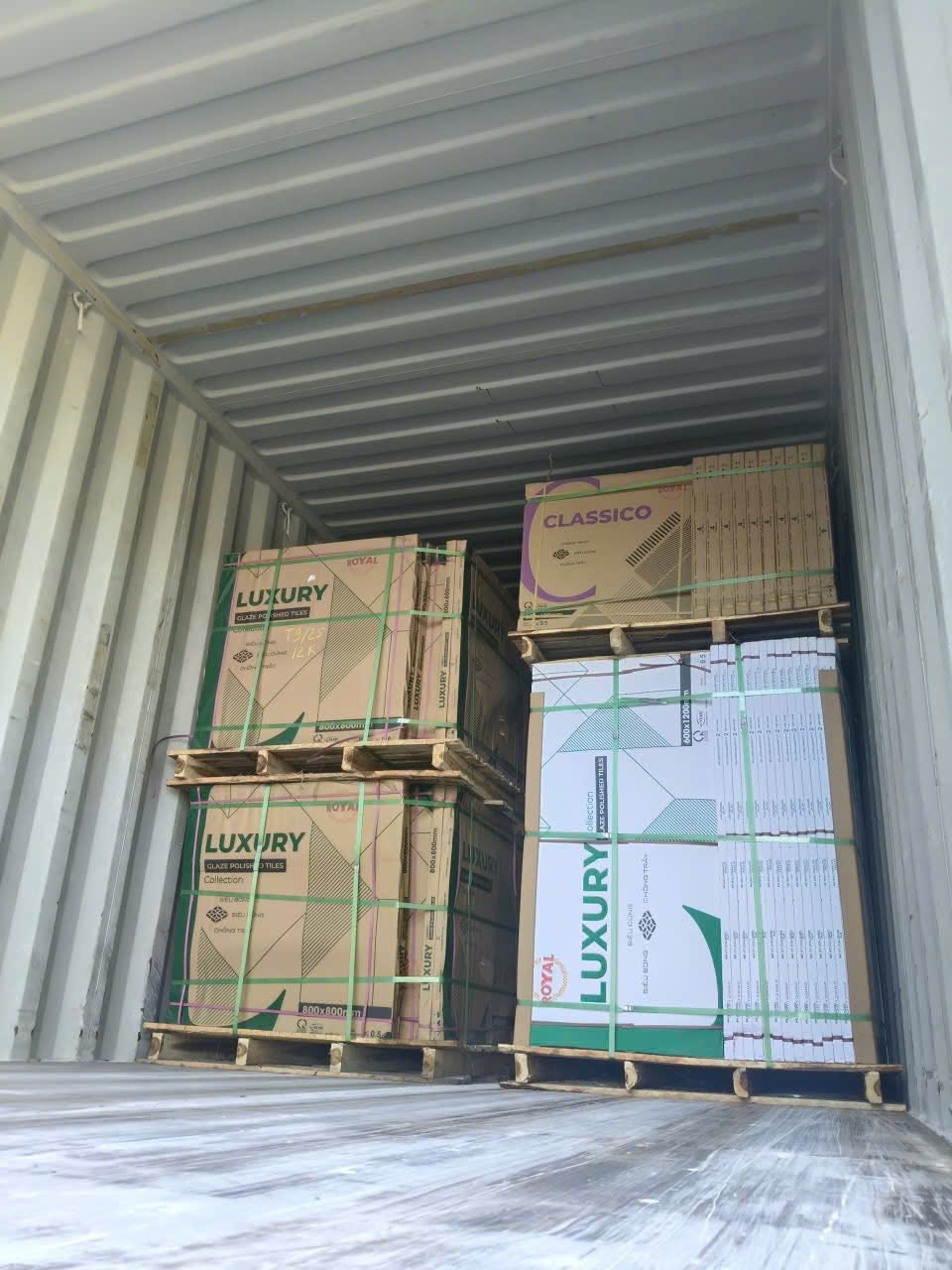
AlphaTrans container truck fleet at Cat Lai Port Ho Chi Minh City
1. Sailing Schedules
| Direction | Loading ports | Discharge ports | Transit | Sailing days |
|---|---|---|---|---|
| Vietnam → Thailand | Cat Lai (HCMC), Cai Mep | Laem Chabang | 2–3 days | Mon, Wed, Fri, Sat |
| Vietnam → Thailand | Cat Lai (HCMC), Cai Mep | Bangkok Port | 3–4 days | Tue, Fri |
| Vietnam → Thailand | Da Nang, Hai Phong | Laem Chabang | 3–5 days | Wed, Sun |
| Thailand → Vietnam | Laem Chabang | Cat Lai, Cai Mep, Da Nang, Hai Phong | 3–4 days | Mon, Thu, Sat |
| Thailand → Vietnam | Bangkok Port | Cat Lai, Cai Mep | 4–5 days | Wed |
Schedules are references and vary with carrier rotation, tidal windows at Bangkok Port, and terminal conditions. Contact us for the current weekly sailing schedule.
Southern Vietnam ports connect to Laem Chabang several times a week; Bangkok Port sees roughly half the sailing frequency, because fewer carriers call there directly. That frequency gap matters more than the transit-day difference when you’re planning a cut-off.
2. Rate Reference and Service Options
2.1 Indicative Rates
| Service | Hai Phong | HCMC / Cai Mep |
|---|---|---|
| LCL (per CBM, incl. THC) | 32 – 48 USD | 28 – 42 USD |
| FCL 20’DC | 320 – 480 USD | 260 – 400 USD |
| FCL 40’HC | 460 – 680 USD | 380 – 580 USD |
Rates last reviewed July 2026. Ocean freight only — destination local charges (THC, D/O, CFS for LCL) are quoted separately. Contact us for a live itemised quote.
2.2 Service Types
Pick the handoff point that matches how much of the chain you want to manage yourself. Full Door-to-Door puts pickup, both customs clearances and final delivery under one invoice. Door-to-Port and Port-to-Door split the job depending on which side already has clearance and inland transport arranged. Port-to-Port suits shippers running their own arrangements at both ends.
FCL makes sense above roughly 15 CBM, and it’s often the default choice for cargo going straight to the Eastern Seaboard industrial estates, where a container can move from the terminal to the factory gate with no further handling. LCL covers 1 to 15 CBM through weekly consolidation with our Thailand partner CFS — though if your final destination sits inland from Bangkok Port, weigh the extra handling into your CBM decision before choosing (see Section 3).
3. Choosing Your Discharge Port: Laem Chabang vs. Bangkok Port
This is the decision that shapes everything else on this lane, and it is not simply “which port is closer to my consignee.”
- Laem Chabang is Thailand’s deep-sea container gateway, handling the large majority of the country’s container volume and taking the full range of vessel sizes calling this route. It sits directly beside the Eastern Seaboard industrial estates — Chonburi, Rayong, Amata Nakorn — so cargo for factories in that belt often needs no meaningful inland leg at all.
- Bangkok Port (Khlong Toey) sits on the Chao Phraya River, inside the city. A river port has a physical ceiling that a coastal port doesn’t: draft and air-draft restrictions limit it to smaller feeder vessels rather than the mother vessels that call at Laem Chabang directly. That’s the structural reason behind the lower sailing frequency in the schedule above — it isn’t a matter of carriers choosing not to prioritise the route.
3.1 What This Means for Your Routing Decision
| Your cargo’s final destination | Better discharge port | Why |
|---|---|---|
| Chonburi, Rayong, Eastern Seaboard factories | Laem Chabang | Direct — often no inland trucking needed |
| Central Bangkok, minimal onward transport | Bangkok Port | Fewer handling touches for a genuinely local delivery |
| Bangkok metro, but time-sensitive | Laem Chabang + trucking | Higher sailing frequency at Laem Chabang can outrun Bangkok Port’s thinner schedule, even with a ~130 km inland leg added |
| Northern or Northeastern Thailand (Chiang Mai, Khon Kaen) | Laem Chabang | Rail and road links run from Laem Chabang; the discharge port is rarely the constraint |
The trap to avoid: treating “Bangkok Port” as the default because the consignee’s address says Bangkok. If your cargo ready date is tight, a Laem Chabang discharge with a short truck leg frequently beats waiting for the next Bangkok Port sailing. We compare both against your actual delivery address at quotation stage rather than assuming the port that matches the city name.
3.2 When Bangkok Port Still Makes Sense
For genuinely local LCL consignments — trading companies and distributors based in the city, with no onward inland movement — Bangkok Port’s river terminal means fewer transfers between vessel and final delivery. For anything destined beyond the city itself, run the comparison before booking.
4. ATIGA and Form D: Preferential Duty on This Lane
Vietnam and Thailand are both ASEAN member states, and trade between them is governed by the ASEAN Trade in Goods Agreement (ATIGA). Most tariff lines reach 0% duty with a valid Certificate of Origin Form D, provided the goods meet the applicable rule of origin — typically a Regional Value Content threshold or a change in tariff classification, depending on the product.
Two things are worth confirming before you rely on this:
- Origin follows production, not shipment. Goods trading through Thailand from elsewhere in the region don’t automatically qualify for Form D just because they were shipped from a Thai address. If your Thai supplier is a trading company rather than the manufacturer, confirm true country of origin before booking.
- E-Form D reduces the paperwork, not the scrutiny. Vietnam and Thailand customs administrations exchange origin data electronically for goods declared under ATIGA, which cuts down on physical certificate handling — but the underlying rule of origin still has to be met and evidenced. An electronic exchange doesn’t waive a failed origin test; it just moves the same check online.
Regulated categories add a further layer: agricultural and food products into Thailand often require phytosanitary certificates and, for some items, import licensing from Thai authorities, and the reverse applies for certain agricultural imports into Vietnam. We confirm commodity-specific requirements against your HS code before booking rather than after the vessel sails.
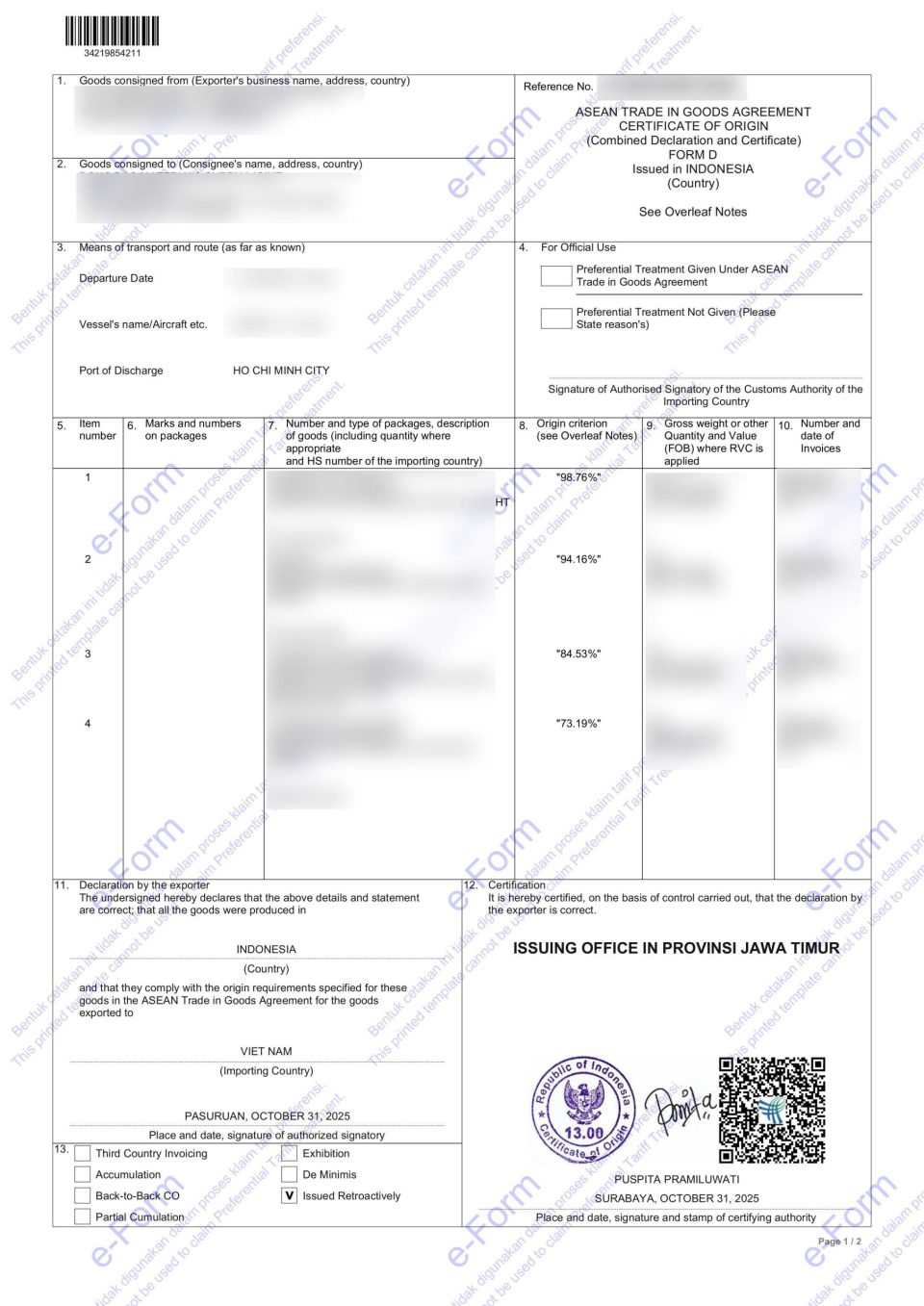
ATIGA Certificate of Origin Form D for Vietnam Thailand preferential duty
5. How a Shipment Runs
- Quotation. Provide commodity, volume, dimensions, weight, Incoterms, cargo ready date and final delivery address (not just the destination city).
- Port recommendation. We compare Laem Chabang and Bangkok Port against your actual delivery point and cargo ready date, and recommend the faster landed option.
- Booking. Space confirmed against your cargo ready date and the chosen discharge port.
- Document check. Draft Form D reviewed against the invoice and packing list before finalisation, where preferential duty is being claimed.
- Collection and export clearance. From the shipper’s warehouse or our CFS, cleared by our own brokerage or Thai agent.
- Transit and tracking. Milestone updates through departure, transshipment (where applicable) and arrival.
- Import clearance and delivery. Filed by our licensed brokerage in Vietnam or our Thai partner for imports; delivered by our own trucking fleet on the Vietnamese side.
6. Commodities on the Vietnam–Thailand Lane
| Direction | Main categories |
|---|---|
| Vietnam → Thailand | Electronic components and mobile phone parts, garments and footwear, seafood and processed agricultural products, coffee, steel and construction materials |
| Thailand → Vietnam | Automotive parts and vehicles, plastic resin and petrochemicals, rice and sugar, electronic components (including hard disk drives), rubber and rubber products, canned and processed food |
Automotive parts moving from the Eastern Seaboard plants into Vietnam’s growing assembly sector are a significant and steady share of northbound volume — a large part of why Laem Chabang, sitting inside that industrial belt, carries most of the lane’s traffic.
7. Why Customers Use AlphaTrans on This Lane
- Port choice is advised, not assumed. We compare Laem Chabang and Bangkok Port against your actual delivery address before you book, not after a slower schedule surprises you.
- Customs clearance is in-house. Our licensed brokerage files more than 10,000 declarations a month across Cat Lai, Cai Mep, Hai Phong and Da Nang. Queries are answered by the person who filed.
- We own the domestic leg. 65 tractor units and 200 chassis for the Vietnam-side trucking, which matters most in the congested weeks before Tet.
- Form D is checked before the vessel sails. A rejected origin claim discovered at destination costs weeks to correct; we review the draft while it still costs nothing.
- Full route network. Beyond Thailand, our complete lane coverage is on the international sea freight services page, including China, Korea, Japan, Hong Kong and Singapore.
8. Frequently Asked Questions Shipping Thailand
Q1: How long does ocean freight between Vietnam and Thailand take?
To Laem Chabang: 2–3 days from Ho Chi Minh City or Cai Mep, 3–5 days from Da Nang or Hai Phong. To Bangkok Port: 3–4 days from Southern Vietnam, with roughly half the sailing frequency of Laem Chabang. Add 1–2 days for customs clearance and delivery on a door-to-door basis.
Q2: Should I ship to Laem Chabang or Bangkok Port?
It depends on your final delivery address, not the destination city on the invoice. Laem Chabang sits beside the Eastern Seaboard industrial estates and offers more frequent sailings; Bangkok Port suits genuinely local city deliveries with no onward inland movement. For time-sensitive cargo bound for Bangkok itself, Laem Chabang plus a short truck leg often beats waiting for the next Bangkok Port sailing. We compare both at quotation stage.
Q3: Why does Bangkok Port have fewer sailings than Laem Chabang?
Bangkok Port sits on the Chao Phraya River and is limited by draft and air-draft restrictions to smaller feeder vessels. Laem Chabang is a deep-sea gateway that takes the mother vessels calling this route directly, which is why it carries the large majority of Thailand’s container volume and offers more frequent service.
Q4: What is Form D and do I need it?
Form D is the Certificate of Origin under ATIGA, the ASEAN Trade in Goods Agreement, and it is what secures preferential duty between Vietnam and Thailand as fellow ASEAN members. Without it, goods clear at standard MFN rates. Origin follows where goods were produced, not where they were shipped from — confirm true origin with your supplier if they are a trading company rather than the manufacturer.
Q5: Does electronic Form D exchange mean less document checking?
Less paperwork handling, not less scrutiny. Vietnam and Thailand customs exchange origin data electronically for ATIGA claims, which speeds up processing, but the underlying rule of origin still needs to be genuinely met — an electronic filing doesn’t substitute for a valid origin claim.
Q6: Can you ship volumes under 15 CBM?
Yes, through LCL consolidation to either Laem Chabang or Bangkok Port. On this lane, if your final destination requires an inland leg from Bangkok Port, weigh that extra handling against a Laem Chabang FCL booking if your volume is close to the crossover point.
Q7: Do I need any special certificates for agricultural or food shipments?
Often yes, in both directions — phytosanitary certificates and, for some categories, import licensing from Thai or Vietnamese authorities. Send us the HS code and product description before booking and we will confirm the specific requirement.
9. Get a Vietnam – Thailand Quote in 15 Minutes
Send us four things and we will return a complete, itemised quotation: